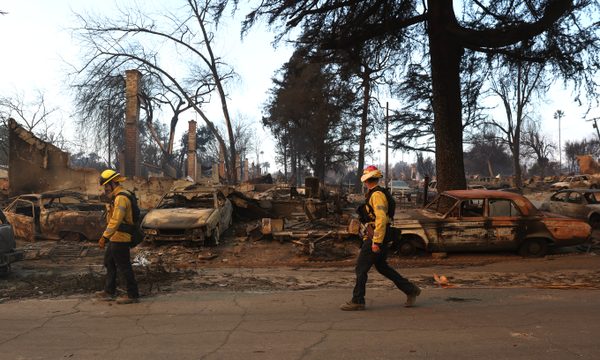








If your home was damaged in a fire, you can continue to own and rebuild it without insurance. However, if you have a mortgage or home equity loan, your lender will likely require insurance. Your mortgage lender may offer some flexibility or assistance following a fire, though rebuilding costs may exceed the home's existing value.
When facing total loss or severe property damage without an insurance payout, a combination of alternatives may help some to repair and rebuild. Here are nine potential ways to finance repairs.
1. FEMA
The Federal Emergency Management Agency (FEMA) offers grants to those affected by disasters without insurance covering the damage. Grants can be used for basic home repairs, temporary housing and replacing personal property, such as vehicles, appliances and furniture. You can also use funds for medical care, child care, moving expenses and funeral expenses.
The maximum grant for disasters occurring on or after March 22, 2024, is $43,600 per household for housing assistance and $43,600 for other needs. You can contact FEMA on the official website, via the FEMA app, at a disaster recovery center or by phone at 800-621-3362. You can also text “DRC” and your ZIP code to 43362.
2. FHA
The Federal Housing Administration (FHA) offers a program called Section 203(h) that insures mortgages for homeowners whose residences were damaged or destroyed by a disaster. Borrowers don't have to make a down payment, though they will owe an insurance premium, which can be financed, and monthly premiums that add to the existing monthly mortgage payment.
There are limits on the dollar value of the mortgage. Currently, the nationwide maximum coverable mortgage for a single-family home is $1,209,750. The FHA also offers 203(k) loans, which allow you to combine rehabilitation costs with your mortgage.
3. SBA loan
The U.S. Small Business Administration (SBA) offers loans to repair or replace damaged homes, not just businesses. You can borrow up to $500,000 to finance construction or renovation and an additional $100,000 to replace personal property, such as clothing, furniture, vehicles and appliances.
Homeowners and renters alike can apply. The SBA can also refinance all or part of an existing mortgage in cases of significant disaster and lack of available credit. You can defer payment for the first 12 months, repayment terms can be up to 30 years, and interest rates won’t exceed 4%.
You can apply for assistance on the SBA website. The eligibility deadline to file for physical damages varies depending on the declared disaster.
4. Nonprofit and community organizations
Nonprofit organizations, from the national to the local level, can provide a wide range of support for disaster victims. In addition to food, temporary shelter and medical support, some organizations can help you rebuild or repair your home.
The American Red Cross, for example, reaches out directly to impacted families to offer financial assistance. You can also call 211, visit the American Red Cross website or call 800-339-6993 to apply for services from your local chapter.
Another example is the Salvation Army, which offers disaster services, including rent and utility assistance, along with other emergency financial assistance. You can find your local chapter on the Salvation Army website.
Many other local organizations, including religious organizations, may offer financial aid or other services.
5. Tax relief
Though a tax break may not cover the entire cost of rebuilding, it can help relieve some of the financial burden after a crisis. Tax breaks vary by state. The IRS website has a list of qualifying disasters, deadlines and eligibility by state.
6. GoFundMe
Starting a personal fundraiser can be a more direct way to receive financial support after a crisis. The website GoFundMe allows you to tell your story, set a goal amount, and share the link widely for friends, family and strangers to support you. Even those with insurance may not receive payouts for months, so a personal fundraiser is a more immediate way to get help rebuilding sooner.
Keep in mind that FEMA can’t duplicate benefits, so make sure you’re not asking for help with the same specific expenses through GoFundMe as you requested from FEMA. For example, your GoFundMe can't say, “I need funds to replace my car” if you applied for vehicle funds from FEMA.
7. Cash-out refinance
A cash-out refinance lets you borrow some of your home equity while refinancing your mortgage. It’s a good option to finance minor damage or repairs if the new mortgage has a lower interest rate than your existing one.
According to mortgage organization Fannie Mae, you can use a limited cash-out refinance to fund disaster-related property damage. Fannie Mae also notes you may also be entitled to reimbursement of up to 10% of the loan balance or $15,000, whichever is lower, for out-of-pocket expenses covering the completed repairs of disaster-impacted property.
8. Home equity loan or HELOC
Drawing equity from a damaged home is an option, depending on the amount of damage. If it’s completely destroyed, the appraised value of your property may not be high enough to use equity for rebuilding. If you have enough equity to use — at least 20% is required for most lenders — these are your two options:
- A home equity loan allows you to receive a lump sum payment and pay it back at a fixed interest rate over a period of about five to 30 years, depending on the loan's terms. You'll need to know the exact cost of repairs before opening a home equity loan.
- A home equity line of credit, or HELOC, works similarly, but it lets you access more cash over time. You’ll usually have 10 years to draw from the line of credit, during which time you only have to pay interest. After that, you pay both the principal and interest. However, a HELOC may be risky after a natural disaster, because interest rates are variable and property values could fluctuate.
Advertisement

HELOC & Home Equity Loans from our partners
at Spring EQ
Spring EQ
Min. credit score
640
Max. loan amount
$500,000
at Farmers Bank of Kansas City
Farmers Bank of Kansas City
Min. credit score
660
Max. loan amount
$250,000
at Splash
Splash
Min. credit score
670
Max. loan amount
$250,000
9. Personal loan
Many lenders offer personal loans for home improvement projects, which can be a potential last resort in cases where you can’t borrow against your home equity. Personal loans can have higher interest rates than mortgages or SBA loans, but they also offer faster funding (within days, in some cases) than alternative options.
You’ll need good enough credit to qualify for a personal loan and the ability to repay the loan within the installment period, typically two to seven years. Personal loans work best when you know exactly how much your repairs will cost, which can be challenging in cases of severe damage.
Frequently Asked Questions
Do I still need to document damages if I don’t have insurance?
Yes, documenting the damage to your home can make a big difference for financial assistance programs and potential donations. Even if you don’t have homeowners insurance, thoroughly accounting for damages and the value of your personal property is a good idea.
Do I still have to pay rent, mortgage and utilities if my home was destroyed?
Unfortunately, you might. Dues, such as mortgages and utilities, don’t always automatically stop after a disaster, even a large-scale one that doesn’t only affect your home. Notify key parties as soon as possible: alert your landlord or mortgage lender and contact your utility company to stop services to the property.
However, certain states have laws that allow you to void a rental agreement if the property is completely destroyed, so you shouldn’t have to pay rent. If your home is partially damaged but not livable, you can choose to end the rental agreement or wait for your landlord to make repairs. Make sure to get the agreement voided in writing. If your landlord doesn't comply, you may need legal defense. Some nonprofit organizations offer housing defense services at a reduced cost.
Explore more on
Article sources
NerdWallet writers are subject matter authorities who use primary, trustworthy sources to inform their work, including peer-reviewed studies, government websites, academic research and interviews with industry experts. All content is fact-checked for accuracy, timeliness and relevance. You can learn more about NerdWallet's high standards for journalism by reading our editorial guidelines.
- 1.U.S. Department of Housing and Urban Development. Maximum Mortgage Limits 2025. Accessed Dec 5, 2025.
- 2.U.S. Small Business Administration. Home and personal property loans. Accessed Jan 14, 2025.
- 3.IRS.gov. Tax relief in disaster situations. Accessed Dec 5, 2025.
- 4.Fannie Mae. B5-4.2-02, Disaster-Related Limited Cash-Out Refinance Flexibilities. Accessed Jan 14, 2025.